

News
Day 3: 3 challenges women face in STEM careers
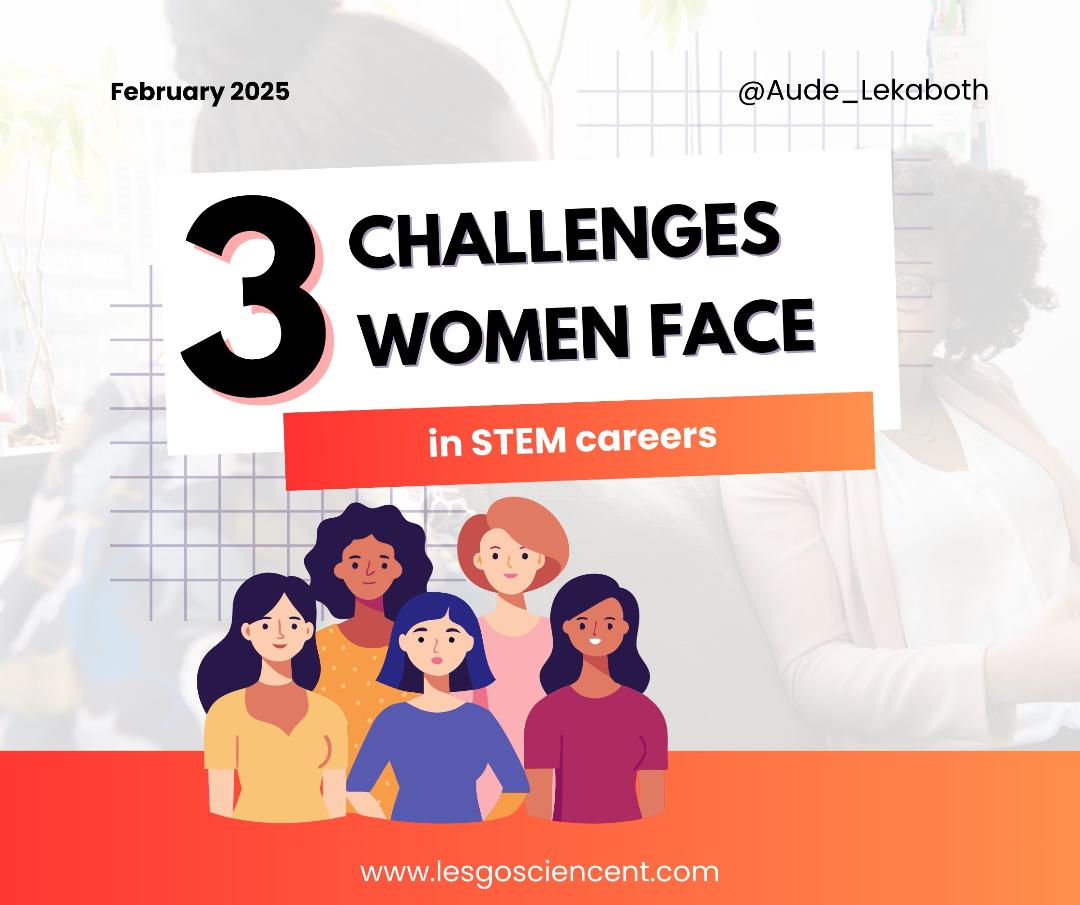
Women in STEM (Science, Technology, Engineering, and Mathematics) face unique challenges that can hinder their progress and success. Addressing these challenges is essential for creating a more inclusive and equitable environment. Here are three significant challenges women encounter in STEM careers:
1. Bias and Stereotyping
Bias and stereotyping remain pervasive issues in STEM fields. Women often face preconceived notions about their abilities and roles, which can impact their career advancement. These biases can manifest in various ways, such as:
- Hiring Practices: Women may be overlooked for positions or promotions due to unconscious biases.
- Workplace Culture: Stereotypes can create a hostile or unwelcoming environment.
- Performance Evaluations: Women’s contributions may be undervalued or attributed to luck rather than skill.
2. Limited Access to Resources and Funding
Access to resources and funding is crucial for career development in STEM. However, women often encounter barriers that limit their opportunities, including:
- Research Grants: Women may receive less funding for their research projects compared to their male counterparts.
- Professional Development: Limited access to training and development programs can hinder skill enhancement.
- Networking Opportunities: Women may have fewer opportunities to connect with influential figures in their field.
3. Balancing Work and Family Responsibilities
Balancing work and family responsibilities is a significant challenge for many women in STEM. The demands of a STEM career can be intense, and managing these alongside family obligations can be difficult. Key issues include:
- Work-Life Balance: Finding time for both professional and personal responsibilities can be challenging.
- Parental Leave: Inadequate parental leave policies can impact career progression.
- Flexible Work Arrangements: Lack of flexibility in work schedules can make it harder for women to manage their dual roles.
Conclusion
To overcome these challenges, it is essential to implement policies and practices that promote equality and support for women in STEM. This includes addressing biases, providing equal access to resources and funding, and creating a work environment that supports work-life balance. By working together, we can create a more inclusive and supportive community for women in STEM.
We share this in preparation of the 11th February, the international day for girls and women in science. If you enjoyed reading, please do share the article around you to raise awareness about women in STEM challenges and what it’s been doing to tackle those challenges. Thanks !